
What Engineers Can Learn from Authors
Google X’s self-congratulatory embrace of “failure” ignores lessons that have served writers and artists well for millennia.

Google X’s self-congratulatory embrace of “failure” ignores lessons that have served writers and artists well for millennia.
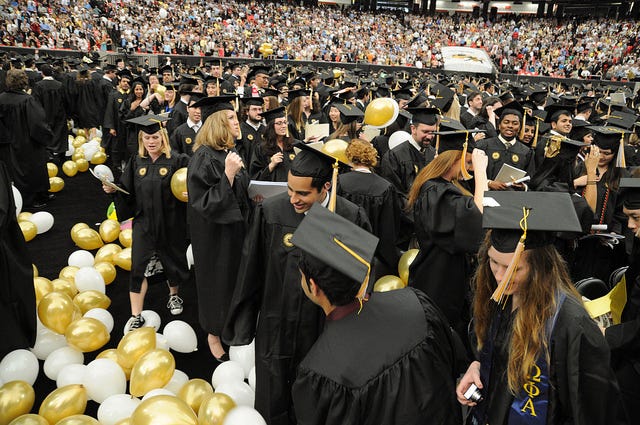
As admission rates have plummeted, the esteem of many “second-choice” colleges has skyrocketed. This is good news for today’s applicants.

Wealthy high school students enjoy an astonishing array of advantages, from private schooling to tutoring to vacation homes. But they do not have a monopoly on intellect.

Contrary to the emerging trendiness of STEM, the humanities offer tremendous intellectual and vocational value for college students.

College counselors and English teachers exhort students to use "voice." It's a reasonable goal. But it's nearly useless advise for inexperienced writers. Josh Stephens offers some alternatives

Students who are serious about applying to ultra-selective schools need to affirmatively articulate — first to themselves, then to the colleges—reasons why schools should want to welcome them.
You scored 5’s on all but one of the six AP exams you took as a junior and sophomore. You won the history department award, and took second regionally in Public Forum debate. SAT scores? Through the roof. You worked like crazy to earn outstanding grades. You carried a